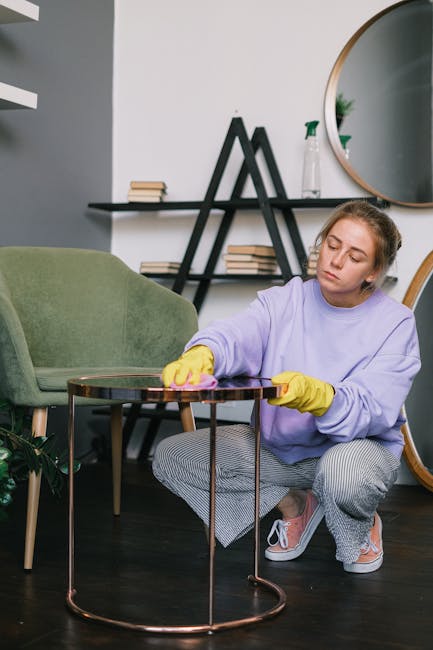
Upholstery cleaning St James Street Walthamstow: a practical guide for cleaner, longer-lasting furniture
If your sofa has started looking a bit tired, or your dining chairs are picking up the sort of marks that somehow appear overnight, upholstery cleaning St James Street Walthamstow is one of those jobs that makes an immediate difference. It is not just about appearance, either. Clean upholstery can feel fresher, smell better, and last longer. In a busy part of east London, with foot traffic, pets, post-work lounging, takeaway spills, and the usual dust that seems to settle everywhere, furniture takes a proper beating.
This guide explains how upholstery cleaning works, when it makes sense, what results to expect, and how to avoid the classic mistakes that leave fabric damp, patchy, or flattened. You will also find practical tips, a comparison of common methods, and a simple checklist to help you decide what to do next. Let's face it, furniture is expensive. Looking after it properly is just common sense.
Why Upholstery cleaning St James Street Walthamstow Matters
St James Street sits in a lively, well-used stretch of Walthamstow, which means homes and small workplaces here tend to see a lot of daily wear. Sofas, armchairs, benches, headboards, and dining chairs collect dust, skin oils, food crumbs, pet hair, and airborne grime more quickly than people realise. You do not always see the build-up straight away. Then one day the fabric looks dull and feels a little stale, and you wonder how it happened so fast.
That is where proper upholstery cleaning matters. It helps remove dirt that vacuuming alone cannot reach, and it can improve the overall feel of a room without replacing the furniture. In practical terms, this is especially useful in flats and family homes where space is tight and furniture gets used hard. A good clean can also support better indoor freshness, which many people notice most on upholstered items that sit near windows, radiators, or busy walkways.
There is also a simple financial point here. Replacing a decent sofa is costly, and reupholstering is not something most people want to arrange unless absolutely necessary. Regular cleaning is the in-between option. Not glamorous, no. But effective.
For local households, it is often the difference between furniture that looks slightly neglected and furniture that feels cared for. That matters if you rent, are preparing for visitors, want to protect a new purchase, or simply do not want to sit on yesterday's mess any longer.
How Upholstery cleaning St James Street Walthamstow Works
Upholstery cleaning is not just a quick spray and wipe. A proper service usually begins with identifying the fabric type, checking the condition of the item, and testing any cleaning solution in a discreet spot. That first step sounds boring, but it is the bit that prevents a lot of avoidable damage. Different fabrics behave differently. Cotton, polyester, velvet, wool blends, and leather all need their own approach.
Most professional cleaning follows a sequence something like this:
- Inspection - the cleaner checks the fabric, stains, trims, stitching, and any obvious wear.
- Vacuuming - loose dust, crumbs, pet hair, and grit are removed before any moisture is used.
- Pre-treatment - spots and heavier marks receive targeted attention with suitable products.
- Agitation or dwell time - cleaning agents are gently worked into the fibres and left to loosen soil.
- Deep cleaning - depending on the fabric, this may involve low-moisture extraction, hot water extraction, dry cleaning methods, or hand cleaning.
- Rinse and finishing - residues are reduced, fibres are groomed, and the item is left to dry properly.
The method chosen depends on the upholstery itself. Some fabrics tolerate moisture well; others can shrink, water-mark, or lose texture if treated too aggressively. That is why a one-size-fits-all approach is risky. Truth be told, a machine is only as good as the judgement behind it.
Good upholstery cleaning also takes airflow and drying time seriously. A sofa that dries slowly in a closed room can develop a musty smell or feel stiff for longer than necessary. A cleaner who explains drying expectations clearly is usually worth paying attention to.
Key Benefits and Practical Advantages
The obvious benefit is a cleaner-looking sofa or chair. But the real value goes deeper than that.
- Freshens the whole room - upholstered furniture often holds odours from food, pets, smoke, and general living.
- Improves appearance - colours look brighter, fabric looks less matted, and older pieces can regain some life.
- Supports fabric longevity - dirt acts a bit like sandpaper over time, wearing fibres down with use.
- Helps with spill management - prompt treatment of stains can stop them becoming permanent.
- Creates a more comfortable home - people notice when a sofa feels cleaner under the hand and looks inviting again.
- Useful before guests or lets - if you want the place to feel presentable, upholstery makes a big visual impact.
There is a small but real psychological benefit too. Clean seating changes how a room feels. You stop noticing the stain on the armrest and start noticing the room itself again. That matters more than people admit.
For households with pets or children, the practical benefits are even stronger. Hair, sticky residue, and tiny accidents accumulate in ways a quick hoover misses. In our experience, that is often when people first realise they need more than surface cleaning.
Who This Is For and When It Makes Sense
Upholstery cleaning is useful for a wide range of people, but it is not always urgent. Sometimes it is preventative. Sometimes it is reactive after a spill. Sometimes it is just one of those jobs you keep meaning to do.
You are likely to benefit if you:
- have a sofa, loveseat, or armchair used daily
- live with pets that shed hair or bring in outdoor dirt
- have children and the usual food-and-drink incidents that come with them
- have noticed odours, dullness, or patchy marks on fabric
- are moving out, moving in, or preparing a property for viewing
- want to maintain newer furniture for as long as possible
- manage a rented flat, office waiting area, or small hospitality space
It also makes sense when a fabric looks fine at first glance but feels slightly grimy when you run a hand over it. That greasy, tired feel is often the early sign. No drama, just reality.
On the other hand, if your upholstery is badly worn, torn, or has water-sensitive fabric, cleaning may improve appearance only modestly. A reputable cleaner should be honest about that. A miracle cure is not the goal; sensible improvement is.
There are also seasonal moments when a clean is especially useful. Before winter, when windows stay closed for longer and indoor smells linger. Or after a warm spell when people have eaten and relaxed more indoors. Timing matters a bit, even if nobody talks about it much.
Step-by-Step Guidance
If you are planning upholstery cleaning St James Street Walthamstow, it helps to know what a sensible process looks like from start to finish. That way you can tell the difference between a careful service and a rushed one.
1. Identify the fabric and any problem areas
Check if the item has a care label, and note any old stains, fading, or loose seams. If you know where the coffee was spilled, say so. It sounds obvious, but it saves time and improves results.
2. Vacuum thoroughly first
Dry soil should come out before moisture is introduced. This reduces muddying and helps the cleaner work more effectively. If you are doing a small item yourself, this stage matters more than most people think.
3. Test a hidden patch
Any cleaner worth their salt will test in a discreet spot first. This helps check colourfastness and fabric response. If the test is skipped, that is a warning sign.
4. Pre-treat marks and heavy wear zones
Arms, headrests, seat fronts, and food-spill areas often need more attention than the rest. A good cleaner will focus on these without overwetting the fabric.
5. Use the right cleaning method
Low-moisture cleaning works well for some fabrics. Hot water extraction can suit others. Delicate pieces may need gentler treatment. Matching the method to the material is the key decision.
6. Allow proper drying
Drying is not a side issue. Open windows if the weather allows, improve airflow, and avoid heavy use until the item is fully dry. Sit down too soon and you may crush the fibres or transfer dirt back onto the seat. Annoying, but true.
7. Maintain the result
Once the job is done, brush or vacuum regularly, deal with spills quickly, and keep food and drinks under a bit more control on high-use pieces. Nobody is perfect, of course, but small habits help.
Expert Tips for Better Results
A few small decisions can make a big difference to the finish you get. These are the things experienced cleaners tend to pay close attention to.
- Ask about fabric suitability before booking. Not every sofa should be treated the same way.
- Keep the room ventilated during and after cleaning where possible.
- Remove cushions and loose covers if the care instructions allow it.
- Point out stains early so the cleaner can choose the right pre-treatment.
- Protect freshly cleaned upholstery by avoiding shoes, sticky foods, and immediate heavy use.
- Schedule cleaning before fabric becomes heavily soiled rather than waiting for the point of no return.
One useful tip many people overlook: take a couple of quick photos before the clean. Not because you are preparing for a courtroom drama, but because it helps you compare the before-and-after result honestly. You will notice the difference more clearly that way.
If you have pets, it is often worth asking whether the cleaner can focus on odour removal as well as visible dirt. Hair removal and freshness are related, but not the same thing.
Common Mistakes to Avoid
Most upholstery problems after cleaning come down to haste, too much moisture, or the wrong product. A bit frustrating, yes, but avoidable.
- Using too much water - this can soak padding, leave marks, and slow drying.
- Scrubbing stains aggressively - that often spreads the stain or frays the fabric.
- Ignoring care labels - simple, but surprisingly common.
- Cleaning without proper vacuuming first - dirt turns into slurry and settles deeper.
- Trying random household products - some can bleach or harden fabric.
- Using the sofa before it is dry - this compresses fibres and can bring dirt back to the surface.
- Assuming all stains are removable - some marks are permanent, and honesty matters here.
A classic mistake is treating an upholstery stain like a kitchen counter spill. Fabric is less forgiving. What looks like a quick fix can become a bigger issue in ten minutes flat.
If you are unsure, stop and test first. That tiny pause can save a lot of hassle later.
Tools, Resources and Recommendations
You do not need an entire van full of equipment to care for upholstery well, but the right tools do make life easier. Whether you are trying a light clean yourself or checking what a professional should bring, these are the basics.
| Method | Best for | Strengths | Limitations |
|---|---|---|---|
| Vacuum with upholstery attachment | Routine upkeep | Removes dust, crumbs, and hair quickly | Will not remove deep stains |
| Spot cleaning cloths | Fresh spills | Useful for immediate blotting and light treatment | Can spread marks if used badly |
| Low-moisture upholstery cleaning | Delicate or regularly used fabric | Fast drying, lower risk of overwetting | May be less effective on heavy soiling |
| Hot water extraction | Heavier soil and general deep cleaning | Can lift embedded dirt effectively | Longer drying time, not ideal for all fabrics |
| Dry cleaning style methods | Very sensitive materials | Gentler on some fabrics | May not suit every stain type |
For most households, a decent vacuum and timely spot treatment are the best everyday tools. For deeper cleaning, you want a method matched to the furniture, not just the strongest machine available.
It is also worth looking at whether the cleaning service explains its approach clearly. A good provider should be able to say why a certain method is safer for your fabric. If the answer sounds vague, that is worth noting.
If your upholstery is part of a bigger refresh, you might also consider related outdoor or property care services. For example, many local customers pair indoor furniture care with pressure washing for patios or with broader services overview planning when tidying a home as a whole. Different job, same principle: choose the right tool for the surface.
Law, Compliance, Standards, or Best Practice
Upholstery cleaning is not heavily regulated in the way some trades are, but best practice still matters. In homes, flats, and business premises, cleaners should work carefully around electrical sockets, furniture structure, and any occupants with allergies or sensitivities. If a product has a strong scent or if a space is poorly ventilated, that should be handled with extra caution.
For rented properties and managed spaces, it is sensible to check any lease, inventory, or property management expectations before cleaning. That is less about formal law and more about avoiding disputes over condition, residue, or drying time. Common sense again, really.
Good practice usually includes:
- using suitable products for the fabric type
- testing in a hidden area first
- protecting nearby surfaces and flooring
- explaining expected drying times honestly
- working in line with general health and safety standards
- being transparent about what a clean can and cannot fix
If you are hiring someone, it is reasonable to ask about insurance, safety procedures, and whether they use child- and pet-conscious methods. You are not being awkward. You are being careful.
For readers who like the practical side of things, the company's policies can also tell you a lot. Pages such as insurance and safety, health and safety policy, and payment and security are useful signs that the service is thinking beyond the job itself.
Options, Methods, or Comparison Table
Choosing the right upholstery cleaning method depends on fabric, stain type, and how much disruption you can tolerate. A quick comparison helps make that decision simpler.
| Approach | Typical use | Pros | Cons |
|---|---|---|---|
| DIY spot cleaning | Small fresh stains | Fast and inexpensive | Easy to overdo, limited deep-clean effect |
| Portable extraction cleaning | General domestic upholstery | Good stain lift and soil removal | Needs drying time and careful technique |
| Low-moisture professional cleaning | Delicate or busy households | Quicker turnaround, less saturation | May be less powerful on heavy build-up |
| Dry compound or dry-style cleaning | Sensitive fabrics | Reduced water exposure | Not the best for every kind of stain |
So which one is best? That depends on the furniture in front of you. A sturdy synthetic sofa used by a family with children will usually tolerate a stronger process than an older decorative chair with fragile fabric. Ask the cleaner to explain the choice, not just the price. That conversation is usually more revealing than the quote itself.
Case Study or Real-World Example
A typical local scenario goes like this. A family in a flat near St James Street has a three-seat sofa that looks okay from a distance, but the seat cushions have darkened, the armrests feel greasy, and the room has a slightly stale smell by the end of the week. There is no single disaster. Just everyday use piling up.
The cleaner inspects the sofa, confirms the fabric type, vacuums thoroughly, treats the armrests and seat fronts, and uses a low-moisture method because the material is not suitable for heavy soaking. After cleaning, the sofa is visibly brighter and the odour is reduced. The family also realises the cushions were holding far more dust than expected.
What changed most was not just the look. It was the feel of the room. The sofa looked cared for again, and the whole living area seemed fresher. That is a common outcome. Not magic. Just sensible, careful work.
One thing worth noting: the best result often comes when the customer gives a bit of context. "There was juice on the left cushion," or "the dog sleeps on this side" sounds simple, but it helps a lot. Small detail, big help.
Practical Checklist
Use this checklist before booking or attempting upholstery cleaning:
- Check the fabric care label if available.
- Identify the main stains, odours, or wear areas.
- Vacuum the item first if you are doing light maintenance.
- Decide whether the piece needs spot cleaning or a full deep clean.
- Ask how long drying is likely to take.
- Confirm whether the cleaner uses fabric-safe, suitable products.
- Move small items, cushions, or fragile objects away from the work area.
- Ventilate the room if possible.
- Keep pets and children off the item until it is fully dry.
- Plan any cleaning around your daily routine so you are not rushing to sit on it too soon.
If you want a very simple rule: the more visible the wear, the more carefully the cleaning should be planned. That is usually enough to keep you out of trouble.
Conclusion
Upholstery cleaning St James Street Walthamstow is one of those services that quietly improves everyday life. It helps furniture look better, smell fresher, and last longer, and it is especially useful in homes where seating gets heavy, regular use. The key is choosing the right method for the fabric, avoiding harsh DIY shortcuts, and allowing proper drying time. Simple enough, but not always easy to do well.
If you are weighing up whether to clean, replace, or simply keep putting it off, start with the condition of the fabric and the kind of use your furniture gets each week. That usually gives you the answer. And if you are still unsure, a careful professional assessment is often the safest next move. Clean furniture makes a room feel looked after. Small thing, maybe. But you do notice it every time you sit down.
Get a free quote today and see how much you can save.
Frequently Asked Questions
How often should upholstery be professionally cleaned?
For most homes, once every 12 to 24 months is a sensible range, though busy households, pet owners, and heavy-use sofas may need it more often. If the fabric looks dull or smells stale before then, that is a sign to move sooner.
Can upholstery cleaning remove old stains?
Sometimes, yes, but not always completely. Older stains can set deep into fibres or affect the dye, which means improvement may be partial rather than total. A good cleaner will be honest about that before starting.
How long does upholstery take to dry?
Drying time depends on fabric, room ventilation, and the method used. Light low-moisture cleaning may dry faster, while extraction methods usually take longer. In a normal home, it is sensible to allow a proper drying window before heavy use.
Is upholstery cleaning safe for pets and children?
It can be, provided suitable products are used and the item is left to dry fully before anyone sits or lies on it. If you have sensitivities in the home, ask what products will be used and how ventilation should be handled.
What is the best method for delicate fabric sofas?
Delicate fabrics often do better with low-moisture or dry-style cleaning rather than heavy wet extraction. The exact choice depends on the material, so testing and fabric identification matter a lot here.
Will cleaning remove pet odours?
It often reduces them significantly, especially if the odour is coming from surface soil or trapped hair. Strong or old odours can be harder to remove fully, but targeted treatment usually helps more than standard vacuuming alone.
Can I clean upholstery myself?
Yes, for light maintenance and small fresh marks, provided you use the right method and do not soak the fabric. For larger stains, fragile materials, or deep cleaning, professional help is usually the safer option.
How do I know if my sofa needs professional cleaning?
If it looks tired, feels sticky or greasy, smells a bit off, or has visible marks that regular vacuuming does not shift, it probably needs more than surface care. That slightly dull look is often the clue people miss.
Does upholstery cleaning help the sofa last longer?
Yes, regular cleaning can reduce the build-up of grit and grime that wears fibres down over time. It will not stop normal ageing, of course, but it can slow unnecessary deterioration.
What should I do before the cleaner arrives?
Clear small items from around the furniture, vacuum if appropriate, point out problem areas, and make sure there is space to work. It also helps to know where the item will dry best afterwards, especially if the room is a bit cramped.
Is there any difference between upholstery cleaning and carpet cleaning?
Yes. Upholstery cleaning uses techniques matched to furniture fabrics, seams, padding, and construction. Carpets can usually handle different moisture levels and equipment, so the methods are related but not the same.
Can cleaning fix flattening or sagging cushions?
Not really. Cleaning can freshen fabric and remove grime, but structural issues such as sagging foam or worn springs are a different matter. A cleaner may improve the look, but they cannot rebuild the furniture itself.
For anyone in the area thinking about a full home refresh, it can also help to look at broader local service options such as Walthamstow and nearby areas like Leyton or Forest Gate if you are comparing coverage across east London. Different streets, same need for a careful, reliable approach.
A clean sofa is never just a clean sofa, really. It is a more comfortable evening, a fresher room, and one less thing nagging at you in the background.